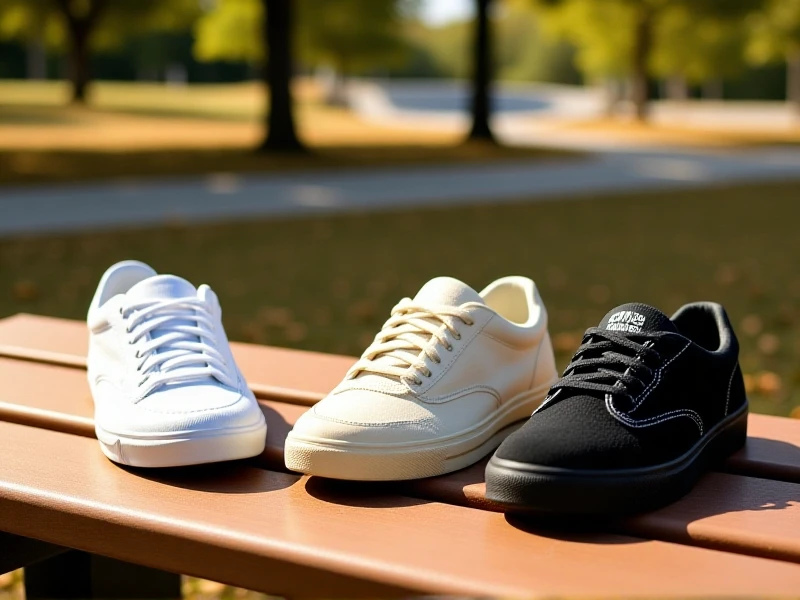
Finding the Perfect Pair: Your Ultimate Guide to Sports Shoes
Here’s an SEO-optimized 400-word article about sports shoes:
Sports shoes are more than just footwear; they’re essential companions for performance, comfort, and everyday style. Whether you're hitting the track, lifting weights, or navigating city streets, the right pair elevates your experience. Understanding what makes great sports shoes empowers your next purchase.
The term "sports shoes" encompasses diverse categories:
- Running Shoes: Engineered for forward motion, offering cushioning, stability, and lightweight breathability.
- Training/Cross-Trainers: Built for lateral movements, gym sessions, and varied workouts with support and flexibility.
- Basketball Shoes: Prioritize ankle support, impact protection, and grippy traction for courts.
- Hiking Shoes/Boots: Focus on durability, rugged traction, waterproofing, and ankle protection for trails.
- Walking Shoes: Emphasize cushioning and comfort for daily wear and long distances.
- Lifestyle/Casual Sneakers: Blend athletic heritage with contemporary streetwear aesthetics.
Choosing the Right Sports Shoes:
- Fit is Fundamental: Always measure both feet later in the day when they're slightly swollen. There should be a thumbnail’s width between your longest toe and the shoe end. Ensure a secure heel hold.
- Know Your Foot Type: Determine if you have neutral arches, flat feet (overpronation), or high arches (supination). Stability or motion control shoes help overpronators, while neutral/cushioned shoes suit others.
- Prioritize Intended Use: Match the shoe to your primary activity. Running demands differ vastly from court sports or walking.
- Materials Matter: Lightweight mesh offers breathability; synthetic overlays provide support; durable rubber outsoles grip varying surfaces. Knit uppers adapt to foot shape, offering a sock-like feel. Sustainable materials are increasingly common.
- Cushioning & Support: Understand midsoles. Air, gel, foam (EVA, PU) absorb shock differently. Responsive cushioning propels runners; plush cushioning protects walkers' joints. Adequate arch support prevents fatigue.
- Replace Regularly: High-mileage shoes lose cushioning and support, risking discomfort or injury. Replace running shoes every 300-500 miles; others based on visible wear and comfort degradation.
The evolution of sports shoes integrates cutting-edge innovation with fashion. Technological advances like energy-return foams, carbon-fiber plates for racing efficiency, temperature-regulating fabrics, and eco-conscious manufacturing demonstrate continuous refinement.
Beyond function, sports shoes make a style statement. Their design, color blocking, and heritage connect sport with culture. Iconic models transition seamlessly from the gym to casual outfits.
Investing time in finding the right pair enhances performance, prevents injury, and boosts confidence. Your feet power your life – give them the perfect foundation with well-chosen sports shoes. Explore different brands and models to discover what works best for your unique needs.